


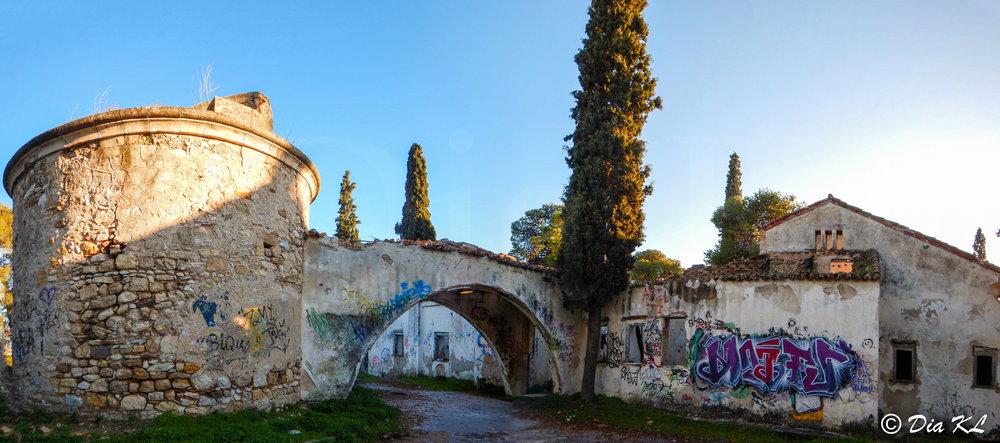
It was a long cycling day to Drafi to check on the waterfall there and on the way back, passing through Pallini, I decided to visit the abandoned villa Levidi for some urban exploration. It was once known as “Levidi Villa” (Βίλα Λεβίδη) or the “mansion with the 70 rooms”. Apart of its high society gatherings it was used extensively as a setting for some of the best Greek cinema movies of the 50s and 60s. Today -whatever is left of it- lays in ruins.
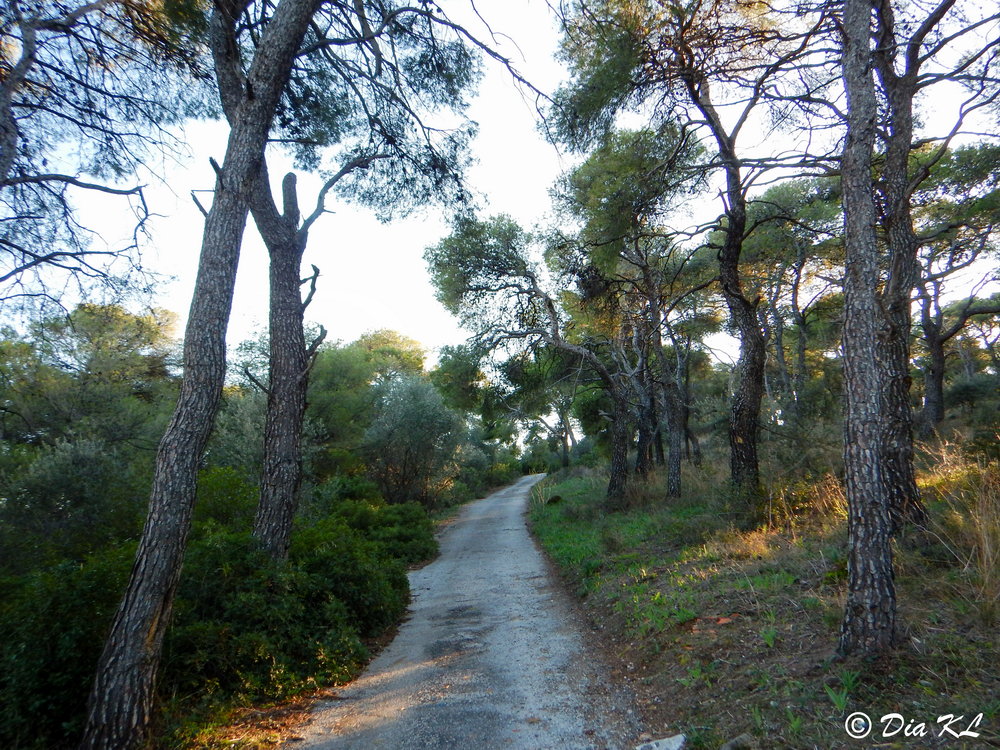
Not far from Pallini train station, in Marathonos avenue I took a little path going through a nice pine and cypresses forest to the Levidi hill, named after the villa. I cycled uphill for around 7 minutes and I was soon at the entrance. The property is about 8 hectares and back in the times it had splendid views of Athens.

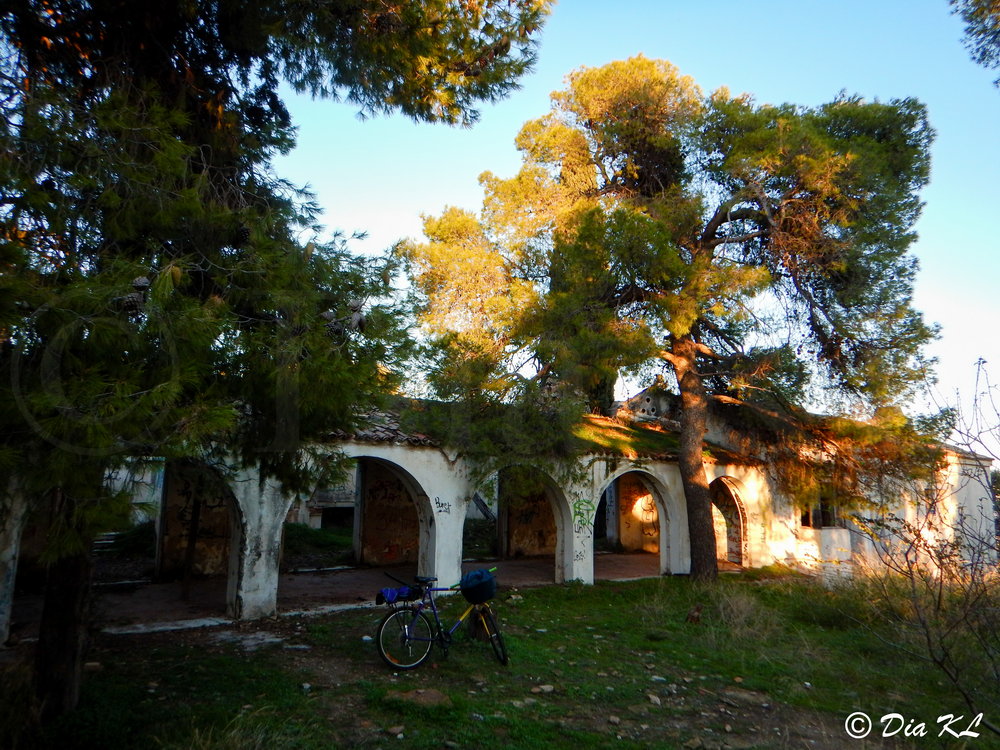
Arriving at the entrance there was a circular tower with an arch connecting it with the main building of the villa. At first glance, there was a lot of graffiti and a big part of the roof was missing. I stayed there for a few minutes before entering, in order to imagine how magnificent this entrance must have been back in the days. The villa was built in 1935 but the circular tower was already there. There is no information for the tower but it was probably Ottoman and built around the 17th-18th century in order to act as a lookout for the area.
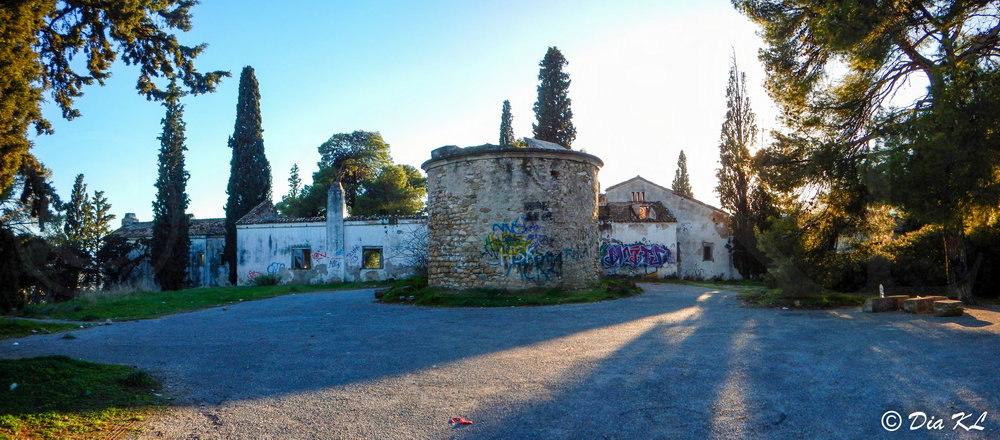
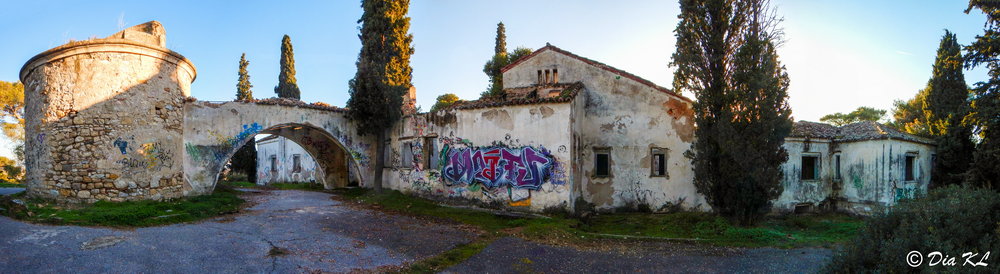
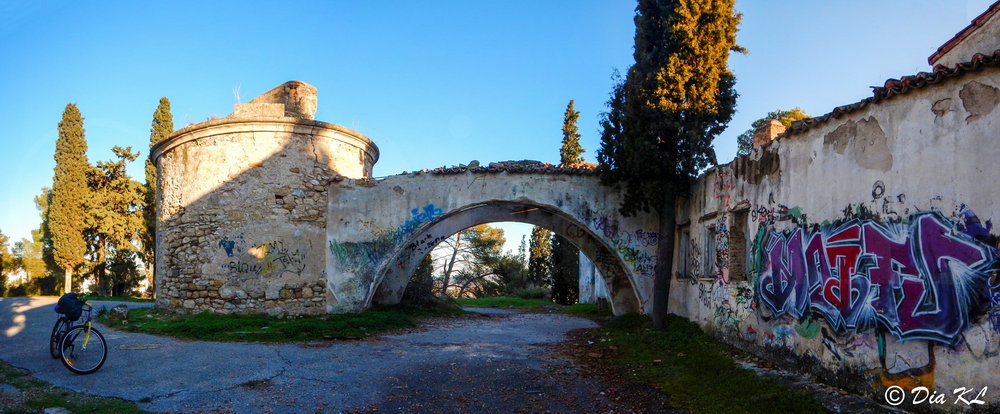
Before we go on, a little bit of history: built in 1935 by a famous architect of that time (Konstantinos Sakellariou), the villa had 70 rooms or all sizes, wooden stairs, luxurious furniture and Penteli marble. The information says that in 1936 the villa was granted by contract from the ex-king to his chief gardener of his royal palace in Tatoiu, Dimitris Levidis. He moved there with his family.
Dimitris Levidis wife, Toula Mpotsi, was a popular dynamic woman. She had won the beauty title of Star Hellas and was the sister of the publisher of the newspapers “Acropolis” and “Apogevmatini”. In 1948, Theodoros Kargas, who was back then an officer of the military police, moved to the villa as the manager of security. He worked a lot shaping the exterior grounds of the villa and especially with the gardens. Dimitris Levidis died in 1963 and the villas financial problems started. It was then that the villa was leased as a production studio for Greek cinema movies. In 1990, Levidis wife Toula died. The only heir of the villa was her son, George Levidis.
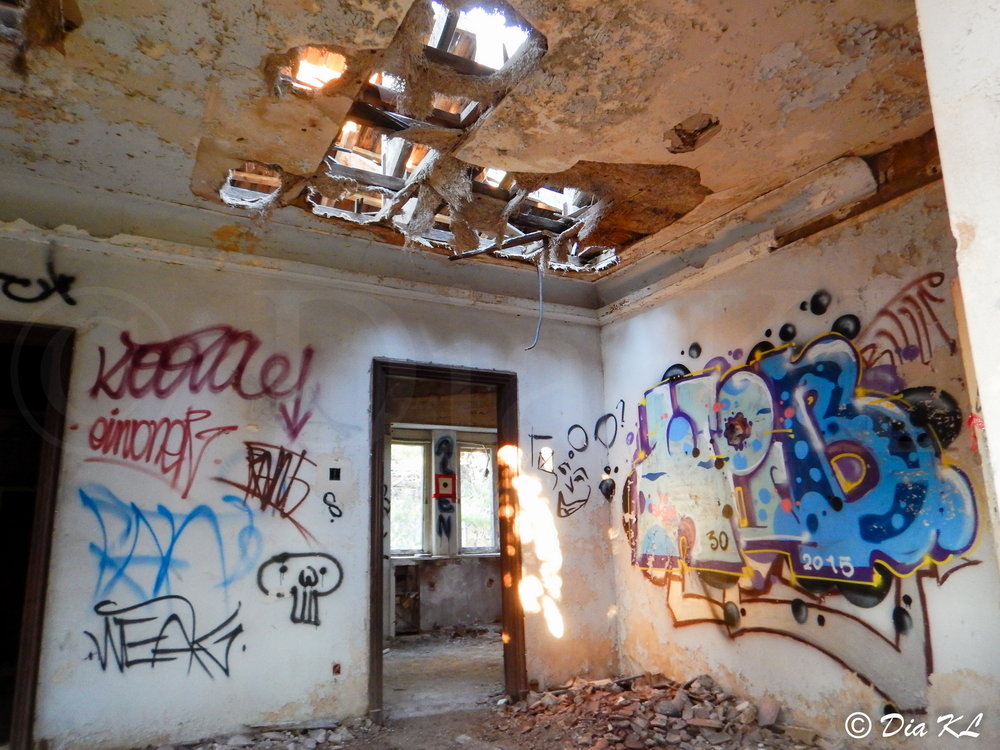
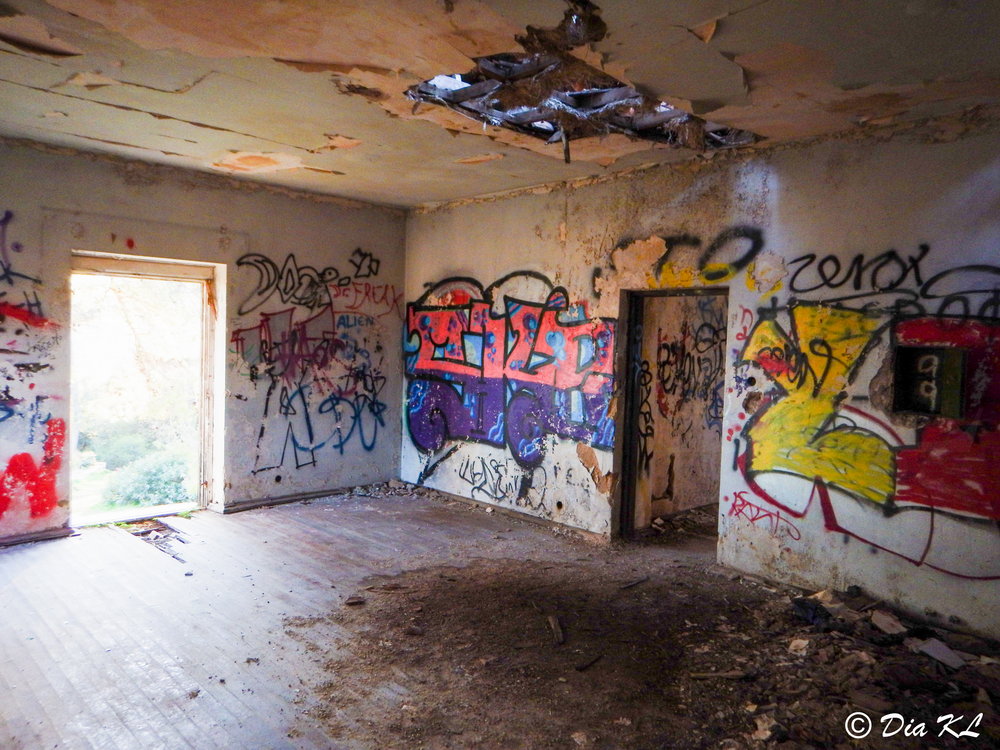
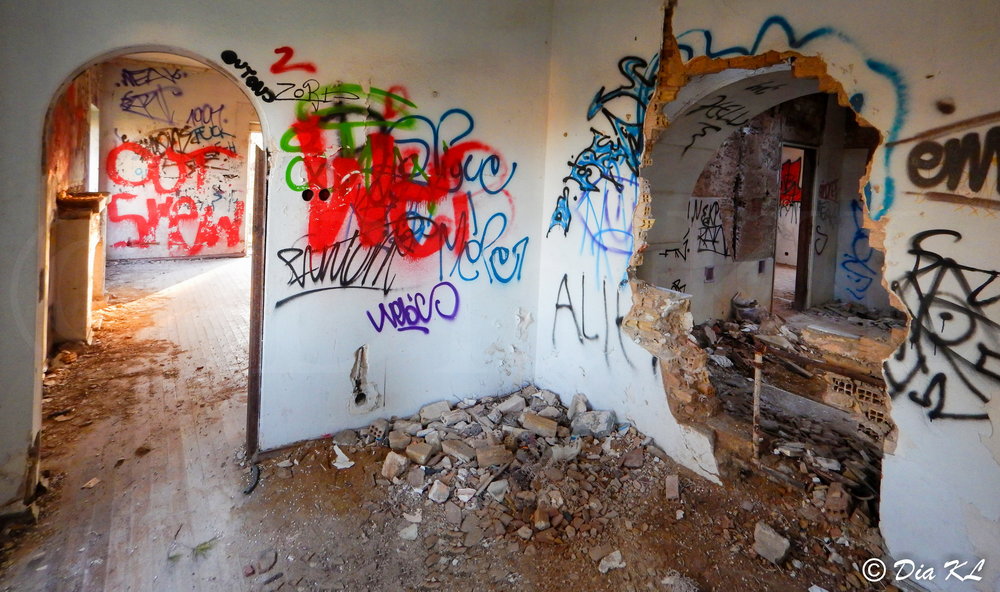
In 1991, George Levidis sold the villa to a group of Greek businessmen and it was totally abandoned. The central roof of the building fell due to a fire and all the area was plundered. The extend of plundering is beyond imagination. Walls and even electric cables were ripped off to be sold as scrap. Everything was broken and the remains of the wall were covered in graffiti. People made holes in the walls hoping to find secret hidden treasures of the Levidi family. Eventually information says that the villa was sold to an offshore Cyprus company at the price of six million euros. The prefecture states that the whole hill is private forest area thus they can’t do anything about it. They can’t build anything new, the only thing they would be able to do is to try to restore what is already built. The whole case, with what exactly of the area belongs where, is very complicated.
In the past there were many people who were interested into buying the area. One of them was the ex-king Konstantinos. The ex-king had made an offer of 8 million euros to buy the area in order to build the Anna-Maria foundation. Rumors from the local townfolk say that the ex-king had spent a big part of his childhood in this hill.
I decided to start exploring with the circular tower. It had a small entrance and the door was missing. Looked kinda dark from the outside but once inside there was plenty of light. There were stairs attached to the wall going round and up. I was tempted to go up the stairs but decided against it, the first part of them was missing and the rest were not in a good condition so I wasn’t sure they could support my weight.
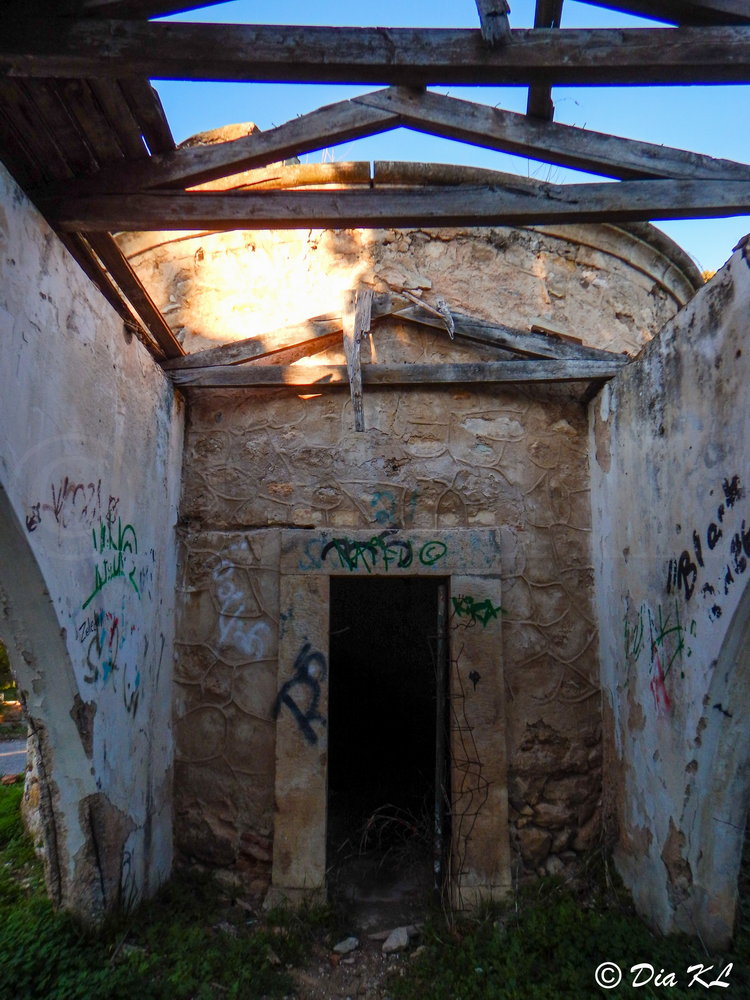
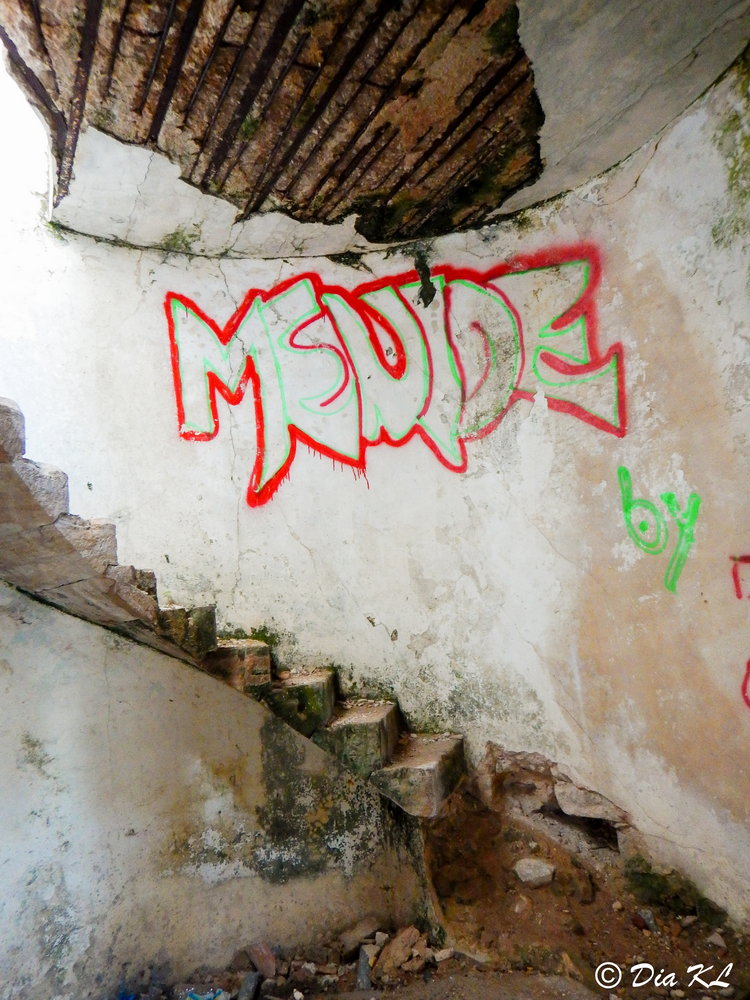
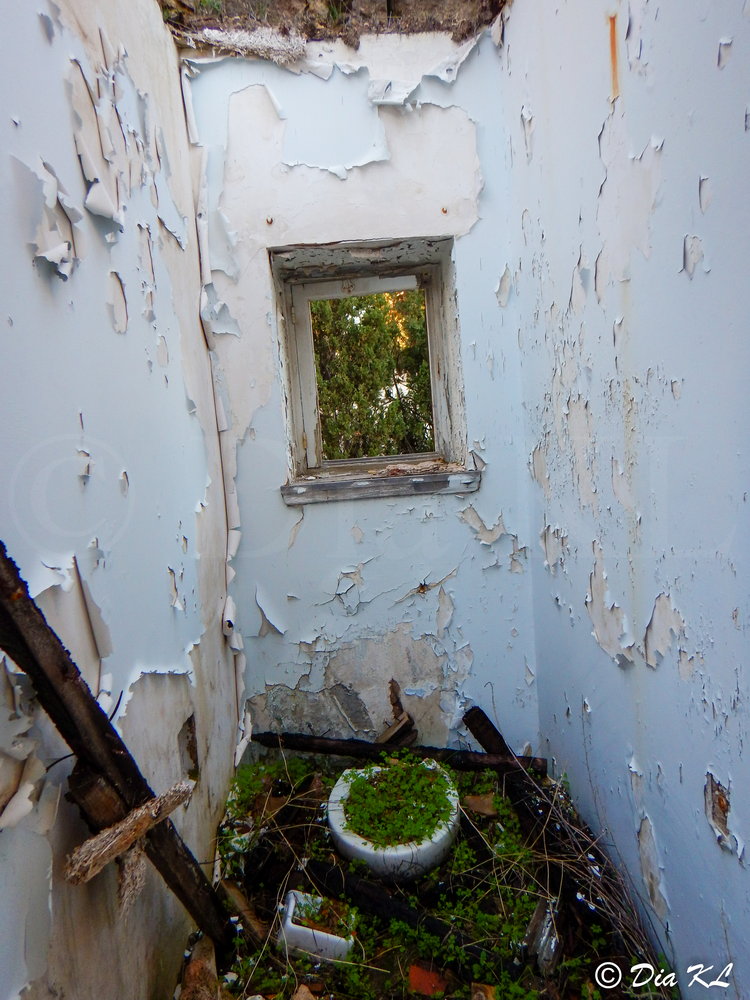
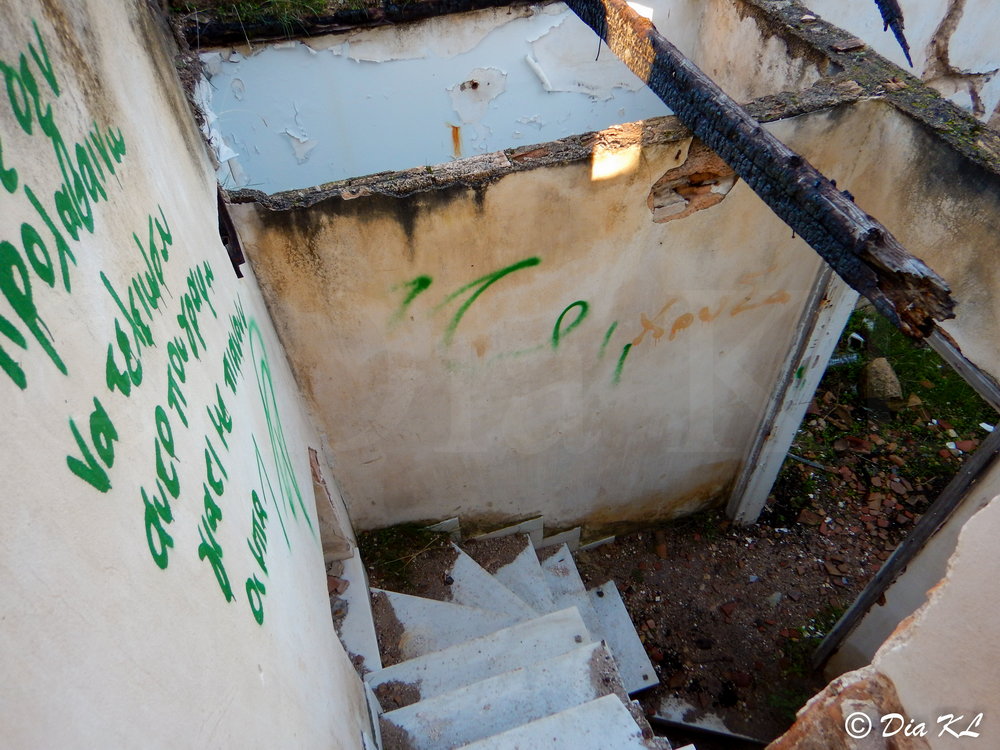
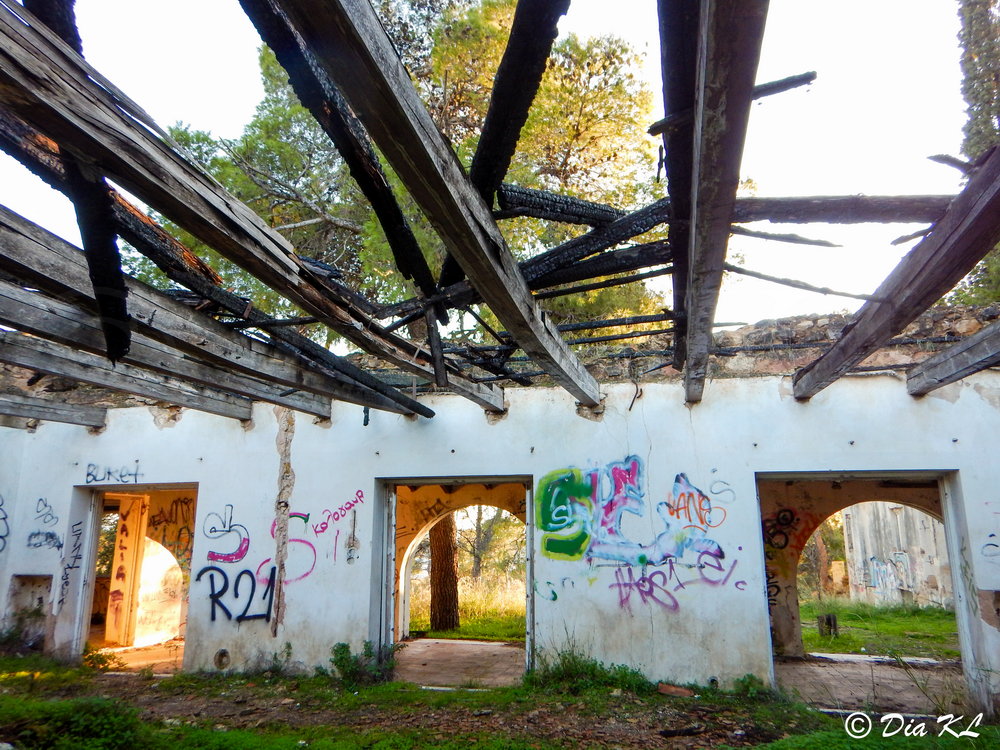
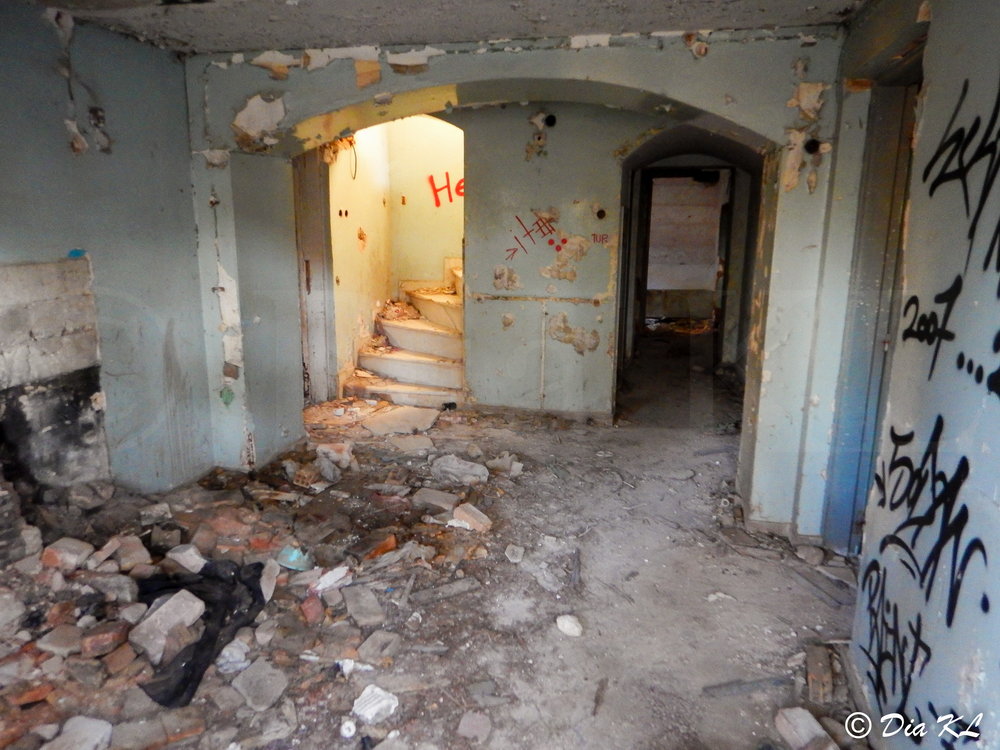
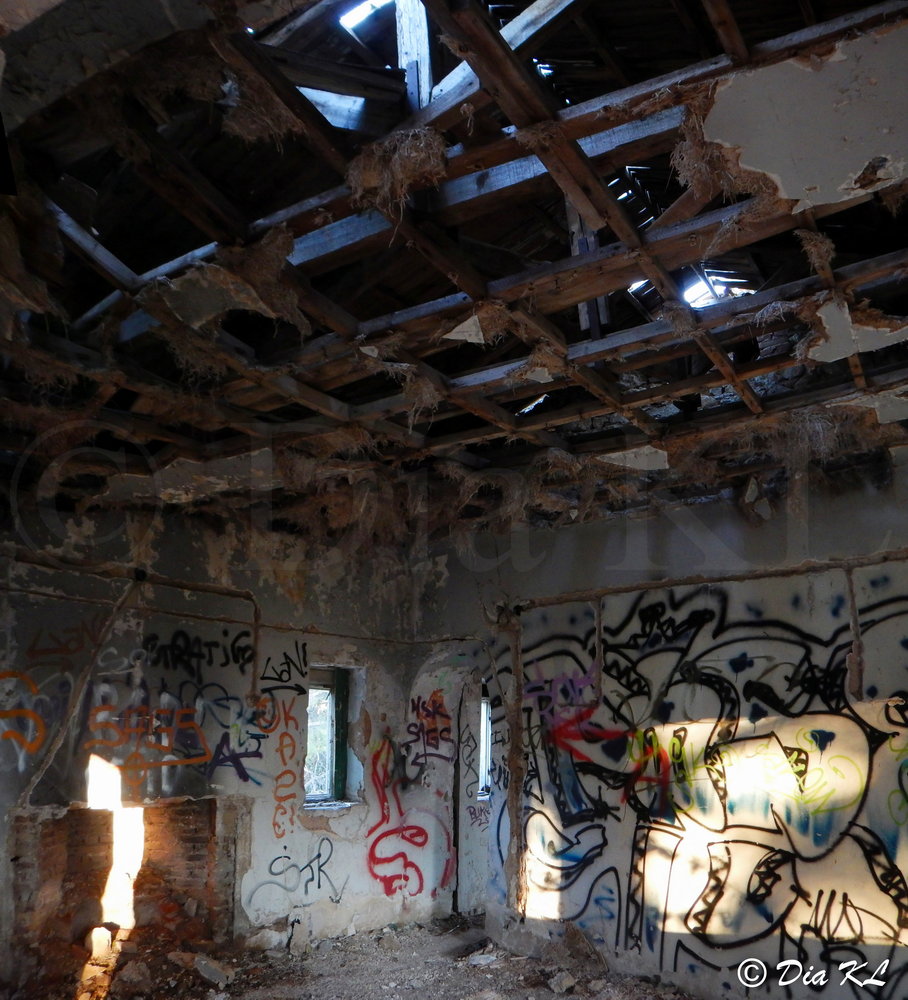
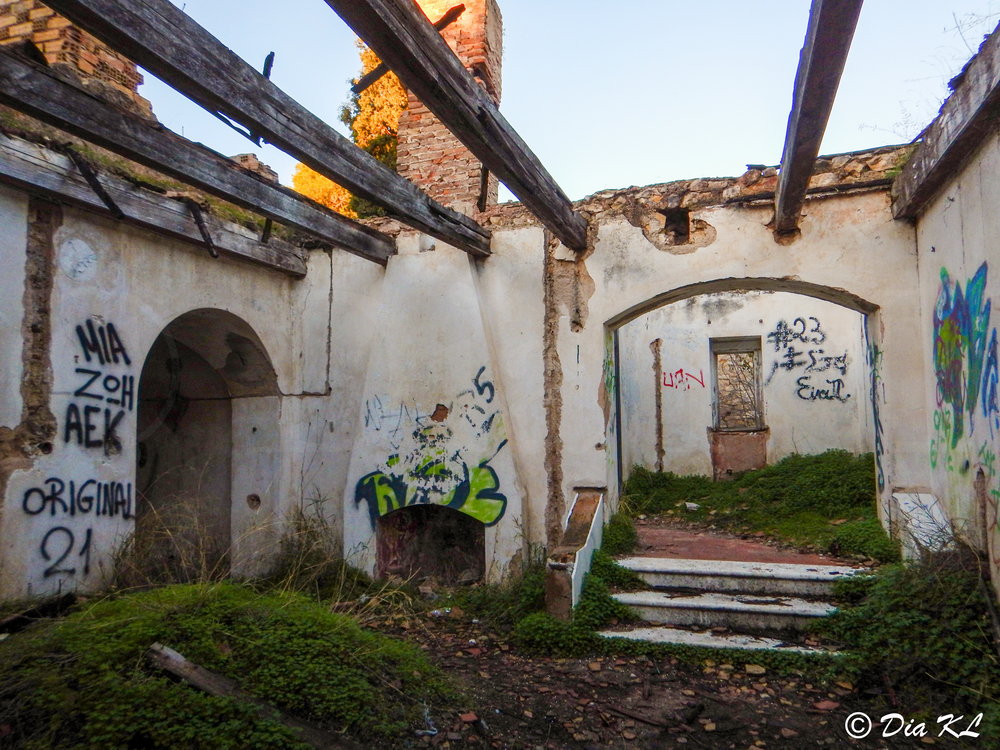
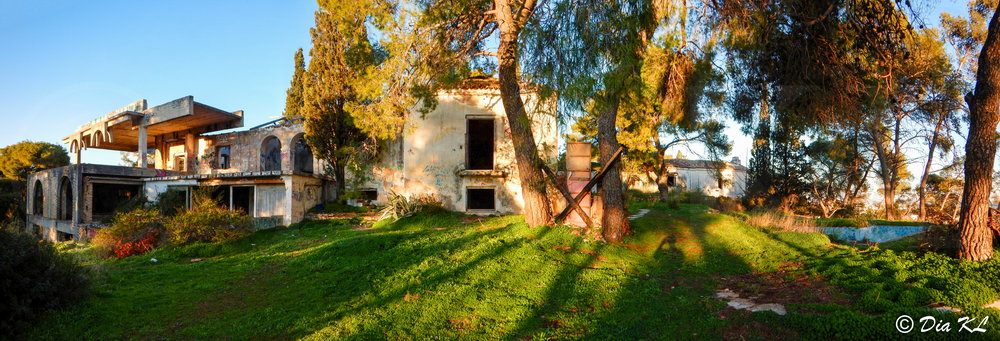
I walked through the arch into the main building of the villa. All the windows and windows were gone, the same with a big part of the roof. The walls had seen better days but at least they were still standing. In front of a missing door were some marble twisting stairs which were in quite good condition. Went up to what might have been an attic, but there was nothing there as the whole roof was missing. Only the wooden base of the roof remained and I could see down where I was before. Went down again and next to the stairs was a little toilet room. Only the toilet bowl remained with what seemed to be the toilet paper holder close to it. Grass had grown everywhere here, even inside the toilet bowl. The walls were dilapidated and wooden parts of the roof were scattered around.

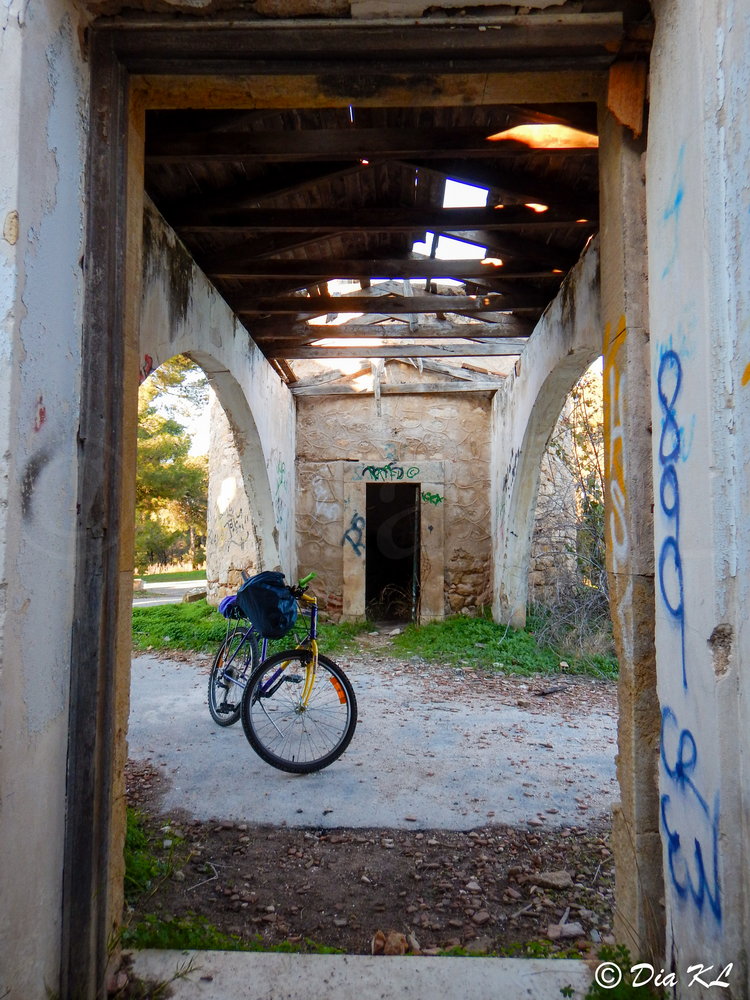
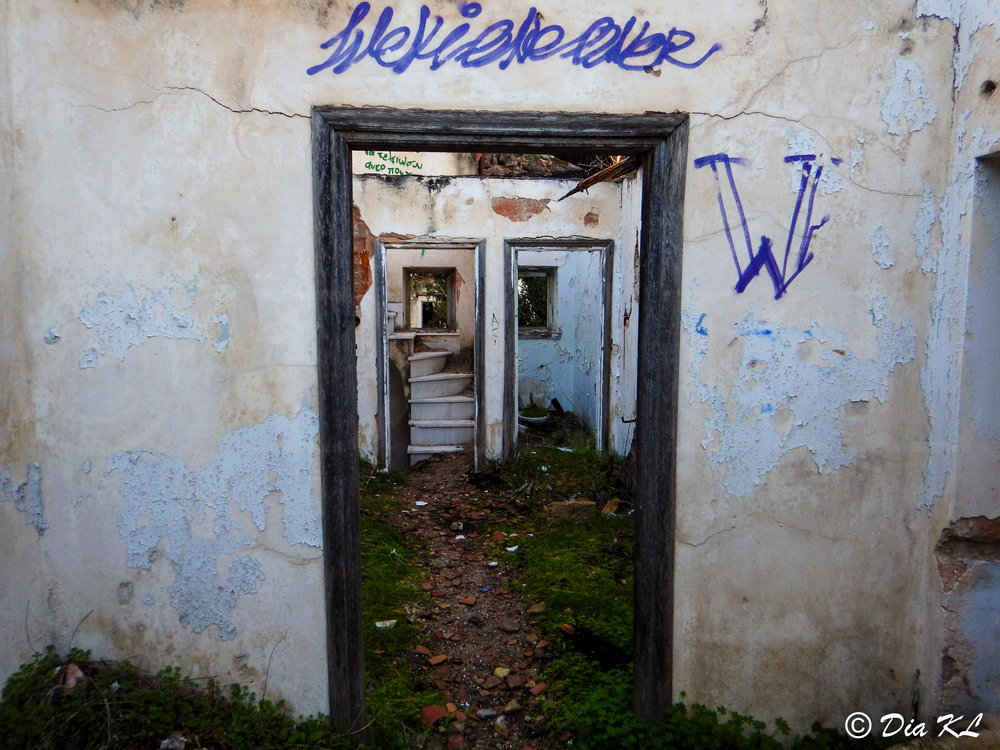
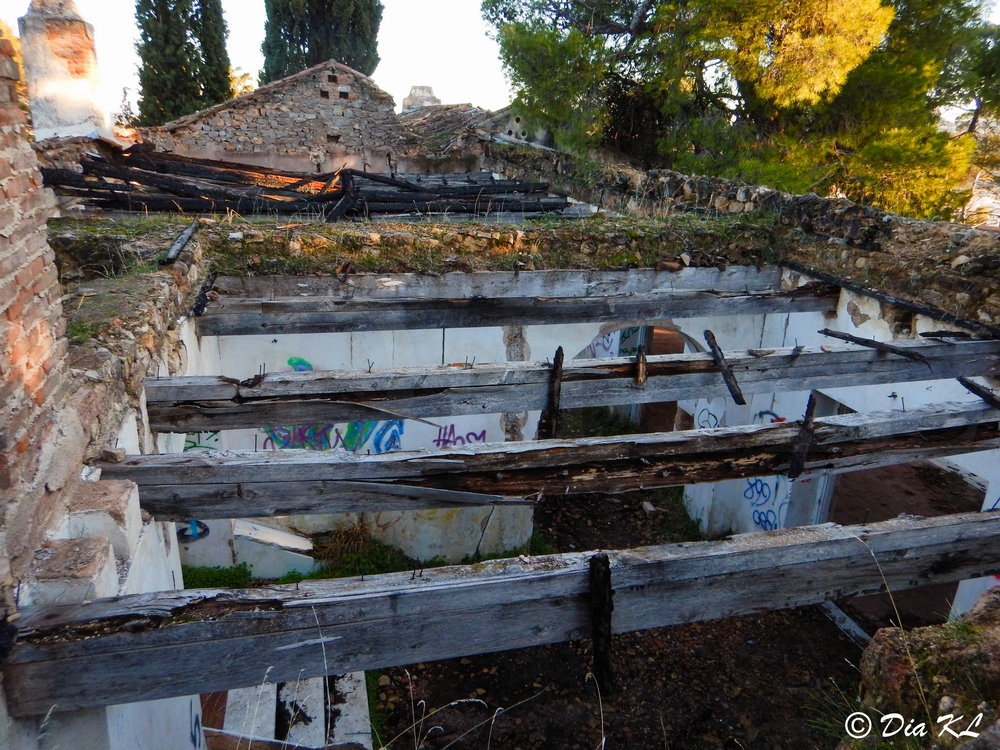
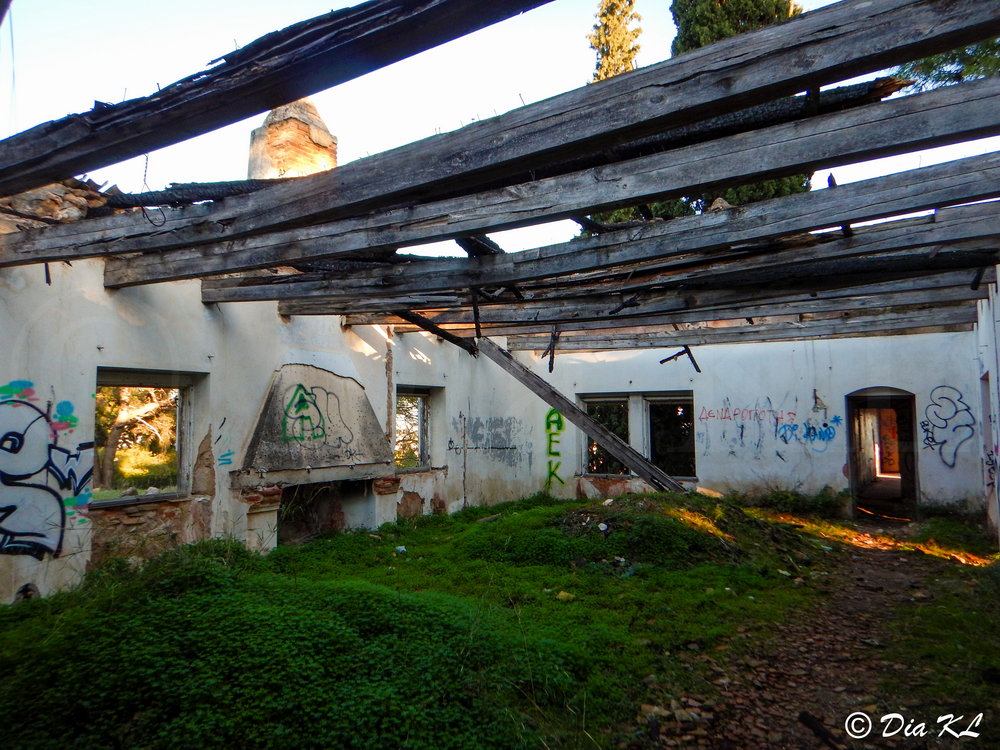
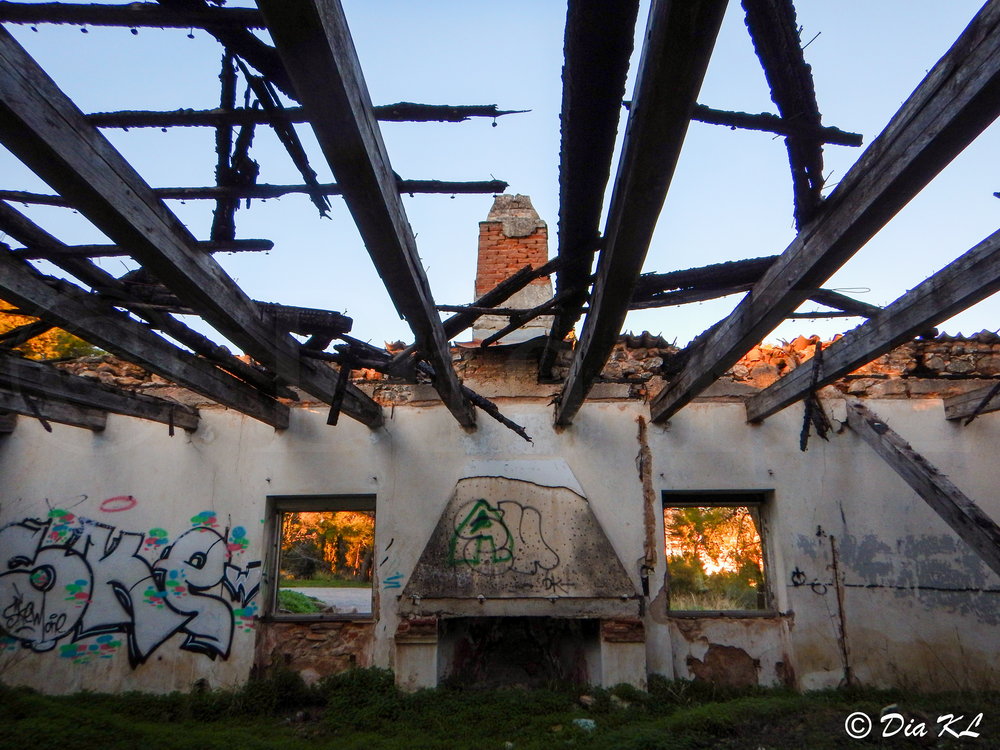
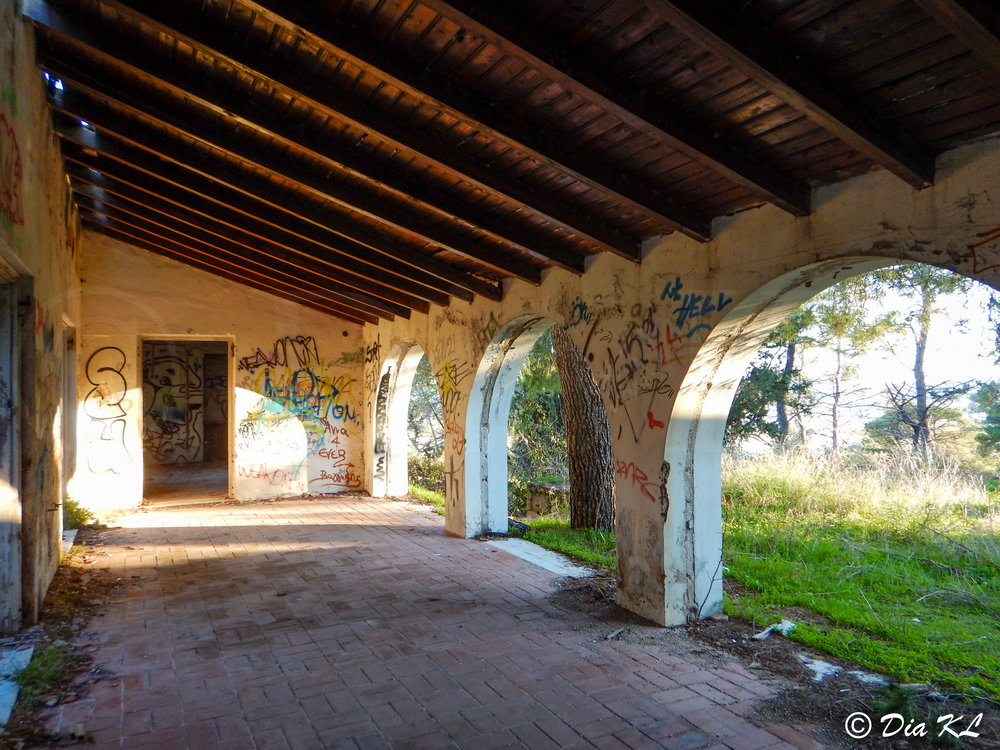
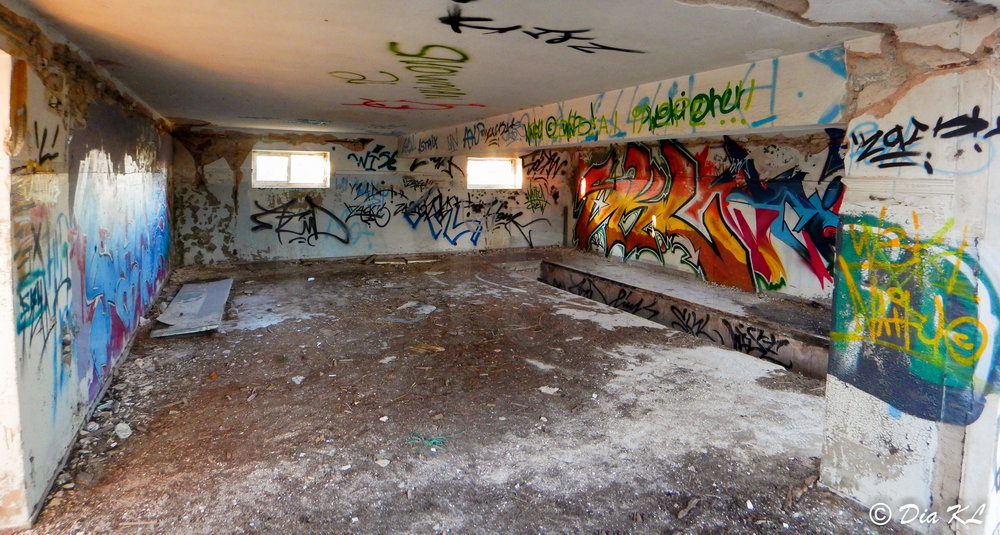
Going through one of the main corridors I ended up to a big room with a fireplace. Lots of grass was growing on the floor and some of the wooden planks which once were the base of the roof had fallen to the ground. How beautiful must have been in the past I can only imagine. From there you could go to a semi-open area with arched wall openings connecting the back of the villa with the outside. This area still had it’s beautiful wooden roof quite intact. Went to check a room with a lot of graffiti and small windows which interestingly had a long, narrow and deep opening on it’s floor. Couldn’t figure out what this room could have been.

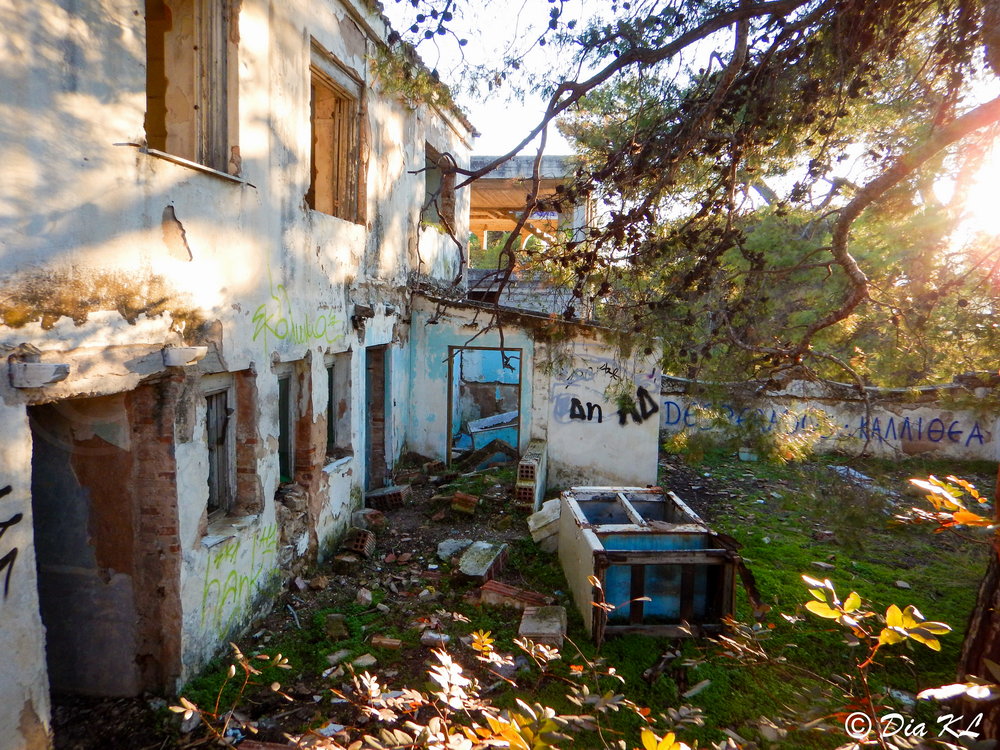
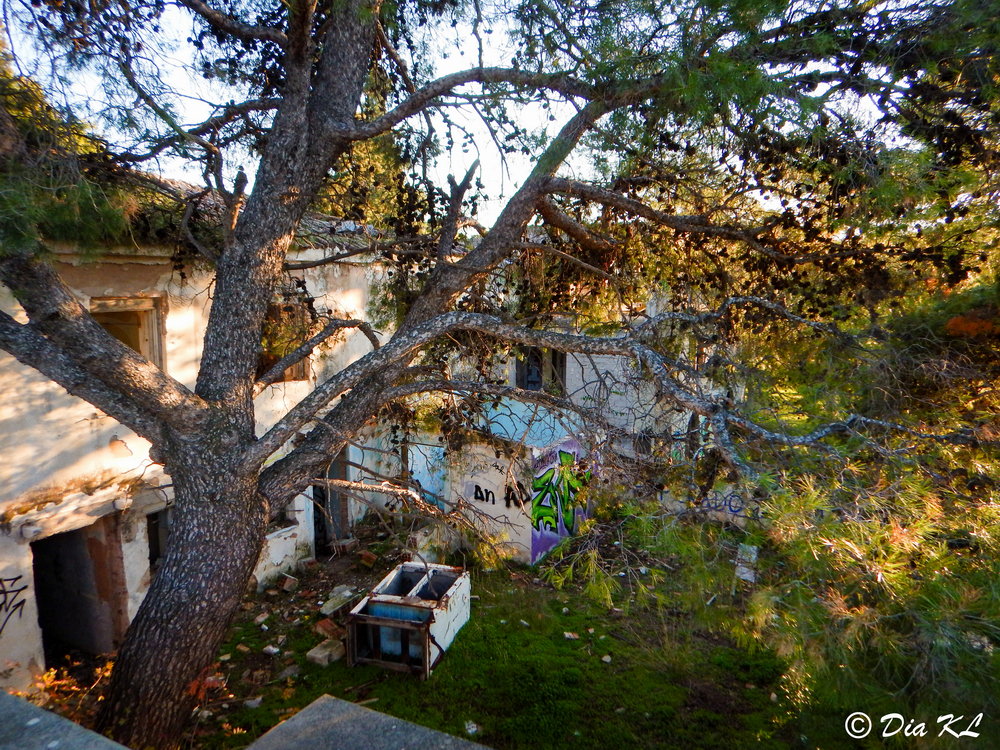
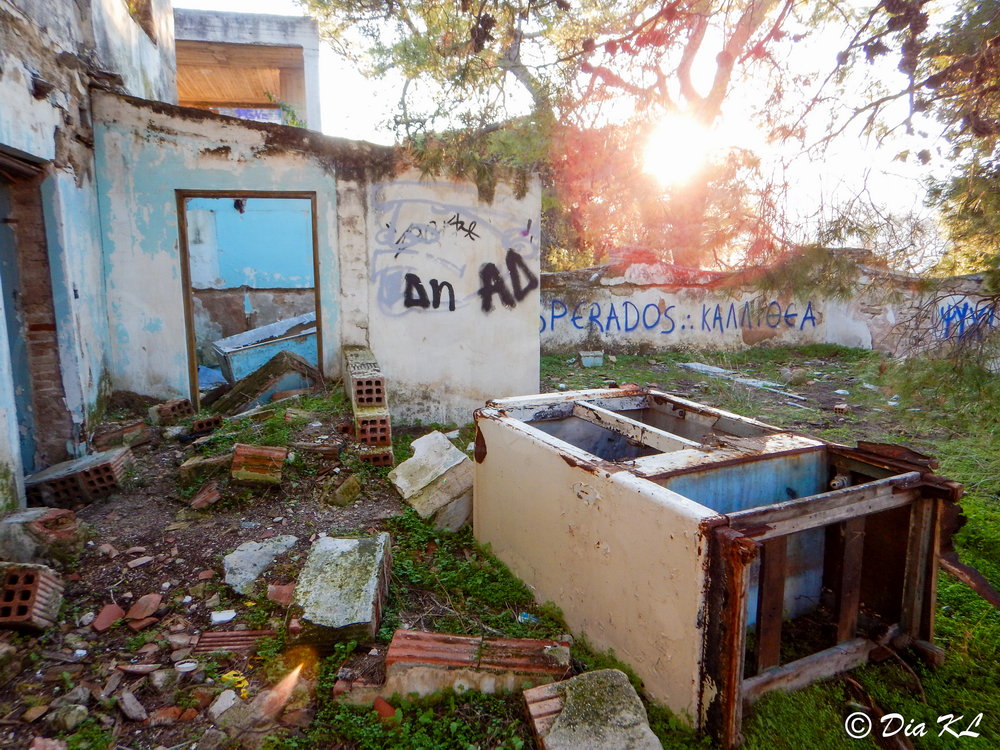
Went outside to another outdoor area of the backside with a really big pine tree. A big wooden furniture (probably a wardrobe) was laying on the grassy ground, together with lots of rubble. Some remains of blue wall paint were leading to a smaller room. Went in and I was kinda happy to see that through all the destruction this room still had it’s blue painting on, falling slowly though. Another big piece of furniture was laying on it’s ground.
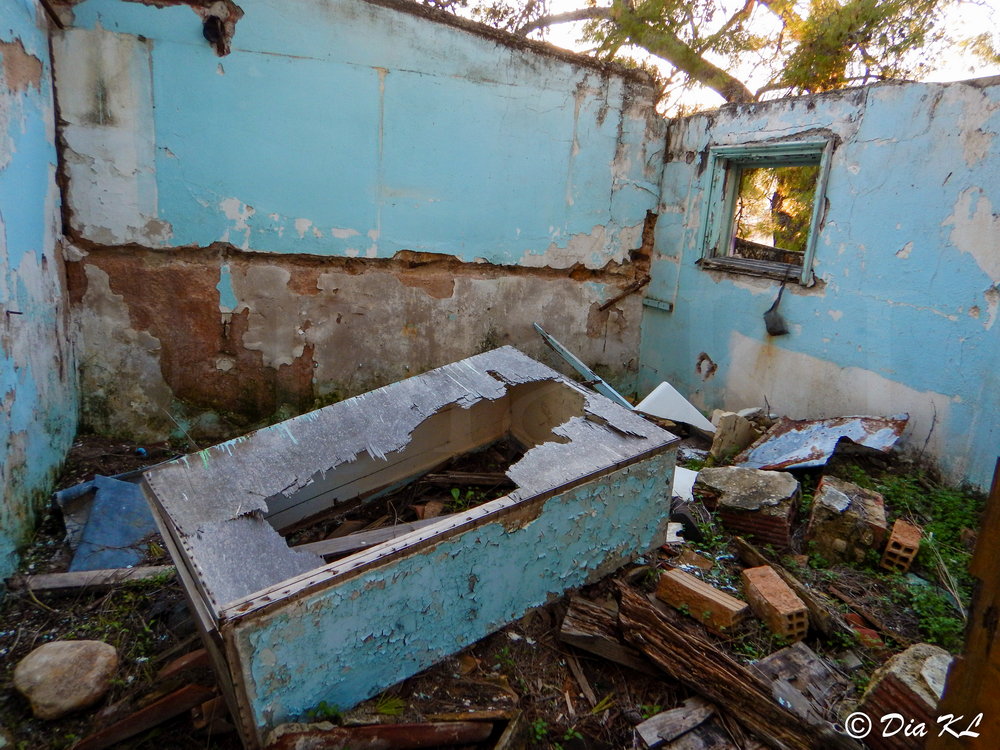
Went back into the villa to explore more of the interior. There was a room which might have been a storage for tools as it had endless drawers and cupboards. Everywhere you went, the ground was full of rubble and garbage. In some areas even parts of the wall had been taken down! The graffiti on the walls wasn’t exactly nice, mostly a chaos of tags. What surprised me was that many of the rooms had their own little fireplace to keep them warm during the winter. It must have been very cozy.

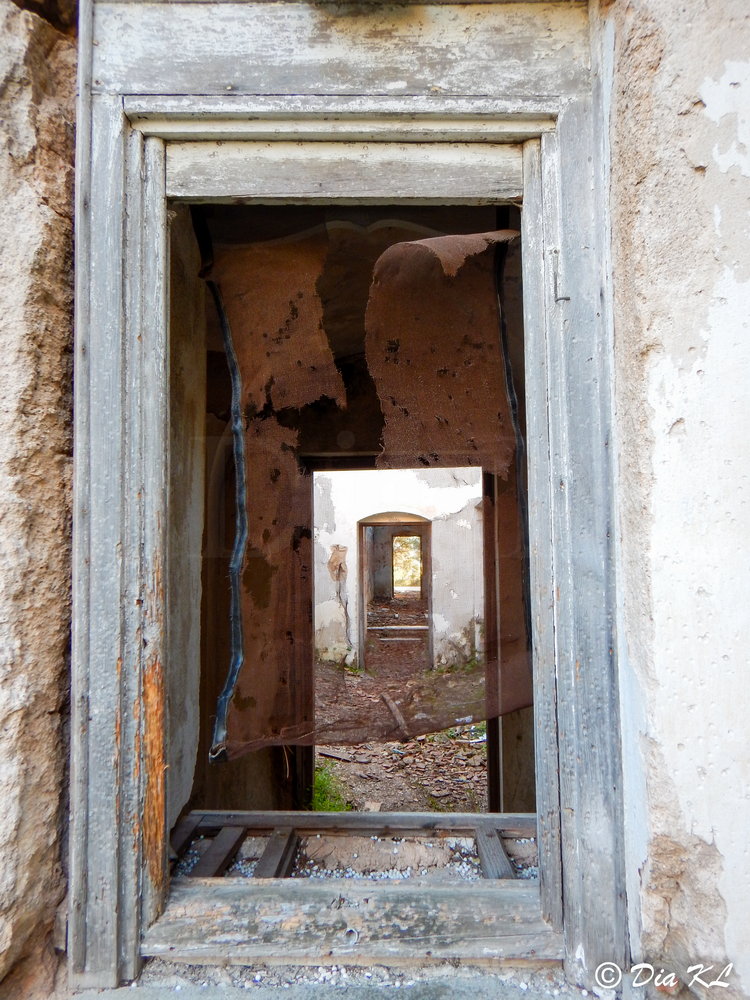
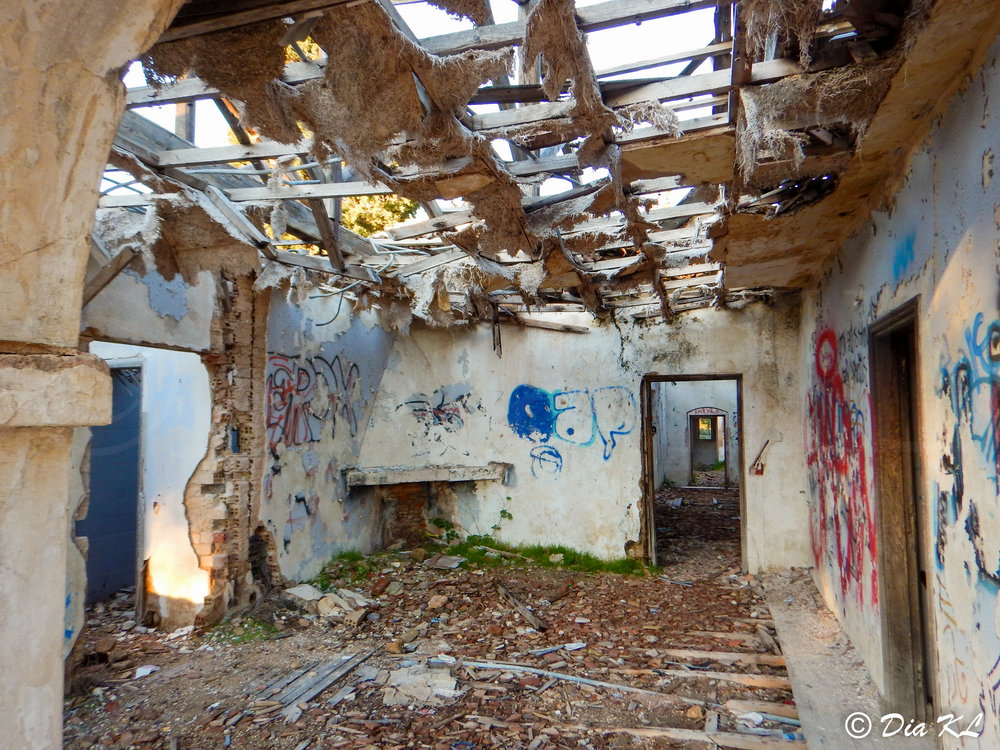
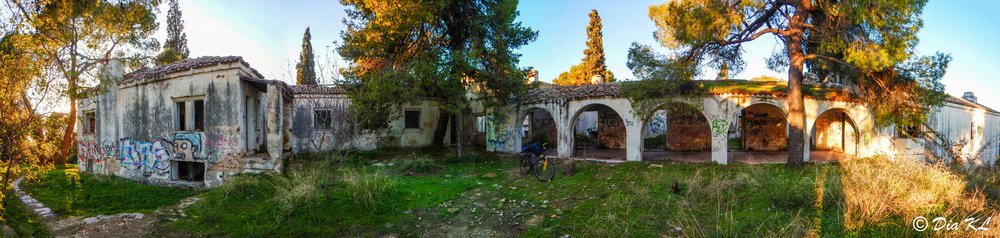
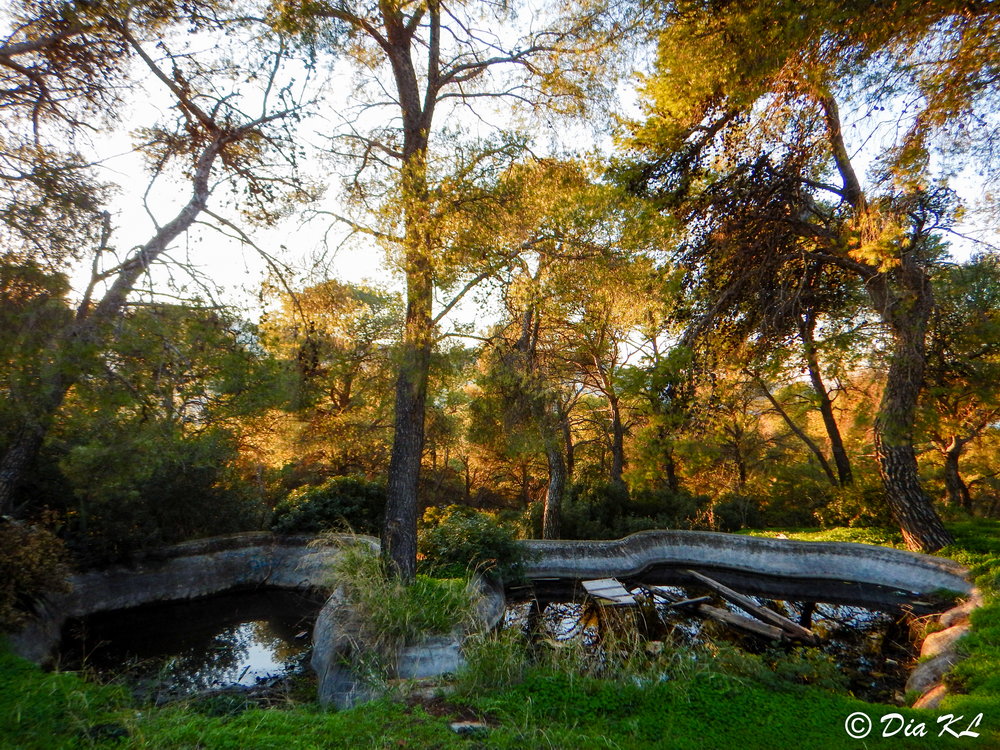
Had enough of the interior so I went out again at it’s back side where I had a panoramic view of the villa, with it’s nice semi-outdoor arched corridor. There must have been some beautiful gardens here with paths to walk around. A bit further down, surrounded by greens, was the left overs of a swimming pool. And what might have been a pond under the pine trees.
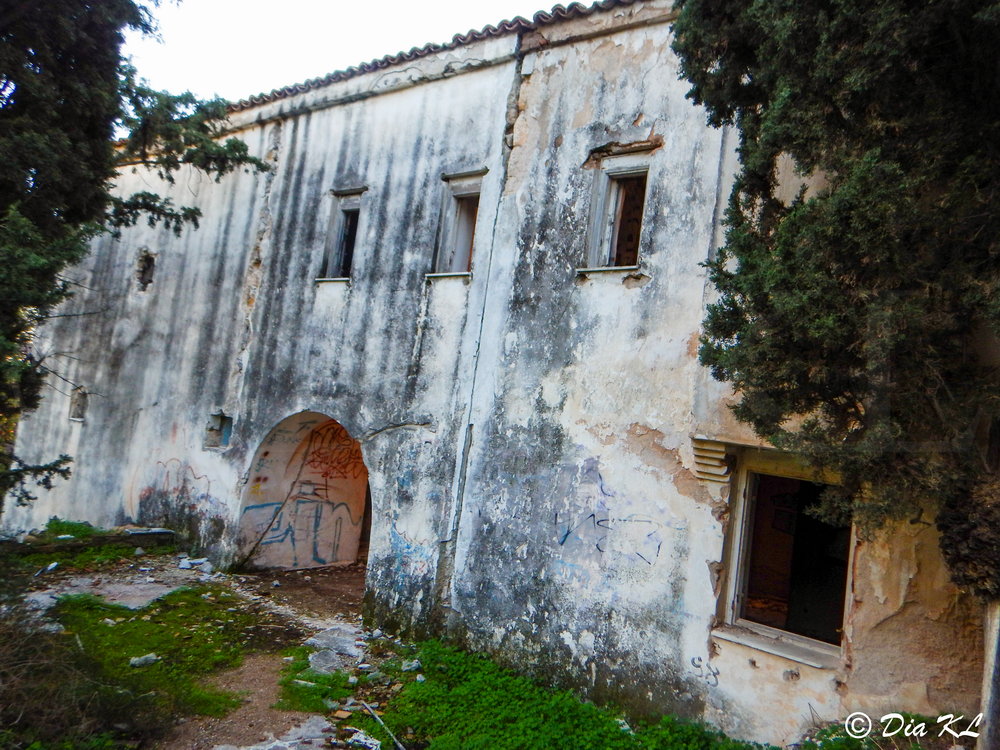
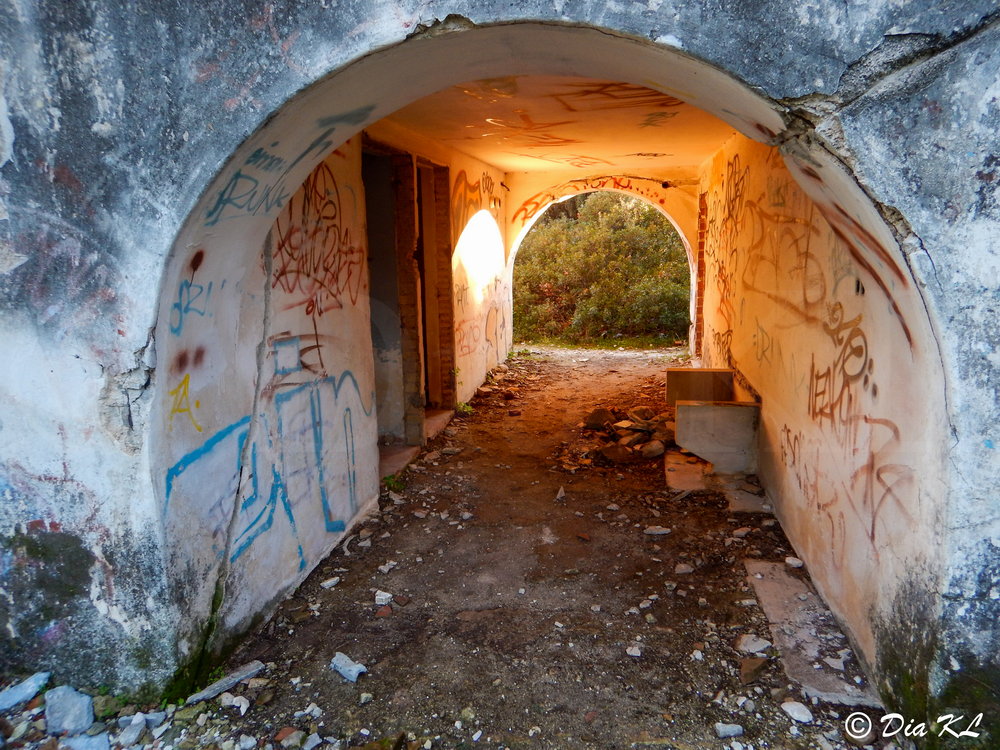


There are so many rumors and stories about the villa, but without evidence you can’t know what is true or not. For example that during WWII, when the Germans occupied Athens, they used this hill to interrogate, torture and kill hundreds of people from the Greek resistance. Or about the little girl that fell in the empty pool and died there. Or about the satan worship ceremonies which are alleged to have taken place some of the nights in the abandoned villa.
There are abandoned buildings and places all over the world, some of them remembered, others forgotten. But in the case of this villa, especially for the local people, it’s hard to forget, as they can see it’s former glory today from the numerous movies which used it a setting. Some of the movies which were shot here include “Το ΛεβεντόΠαιδο”, “Μια Ιταλίδα αΠό την Κυψέλη” but the most famous one which really showed a lot of the villas beauty was the blockbuster “Η Αρχόντισσα και ο Αλήτης” in 1968 with the famous actors Vougiouklaki and Papamichail (directed by Dinos Dimopoulos).
I visited alone back in 2018, spent around an hour there and during my time I didn’t see a single soul. Definitely worth the visit for the fans of urban exploration and the ones who would like to go back in history, although I wouldn’t visit the place during the night as there is a weird vibe. There was absolute decay, everything was damaged and abandoned. You could wander around in the rooms, go up and down the stairs, just needed to be careful where you are stepping. Although it was very sad to witness the destruction from the neglect and the looters, it was nevertheless fascinating to be there and explore.
If you would like to see how the villa was back in its glory days please watch the video below, its a series of clips taken from the movies of the 50s-60s which were shot at the villa.
Additional information
GPS coordinates for places in this post, click on them to be redirected to the exact point in google maps Click on the names to be redirected to their official websites (if applicable).
Levidi villa and hill (GPS coordinates): 38°00’09.0″N 23°52’20.4″E
Click below to read the connected related post:

Click on the categories at the top of the page or at the tags below for more posts!

